
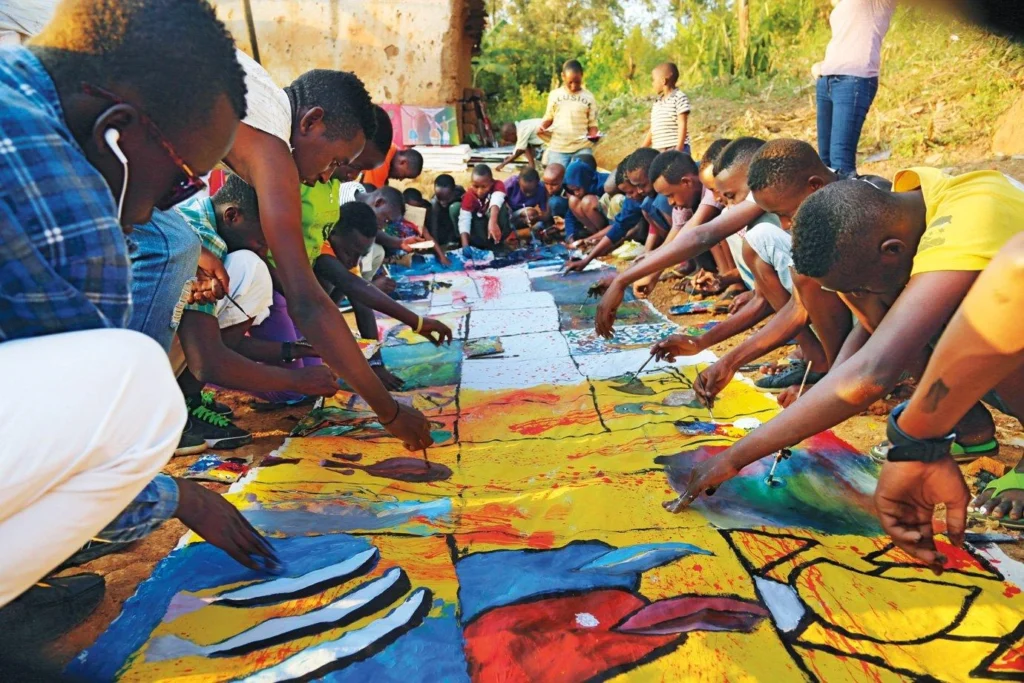
South Africa has long been recognised for the philosophy of Ubuntu, a worldview that emphasises compassion, shared humanity and the belief that “a person is a person through other people.”
In an age dominated by artificial intelligence, remote work, social media and increasingly individual lifestyles, many are asking whether Ubuntu still has a meaningful place in everyday life.The answer may be more important than ever.

More Connected, Yet More Isolated
Technology has made it easier to communicate across continents, yet many people report feeling increasingly lonely.
Digital interactions cannot always replace genuine human connection. Ubuntu reminds us that communities flourish when people care for one another, celebrate together and support each other during difficult times.This message remains especially relevant as conversations around mental health continue to grow.

Ubuntu Beyond Tradition
Ubuntu is often associated with rural communities or older generations, but its values continue to appear in modern spaces.Acts of kindness during times of crisis, neighbourhood support initiatives, youth volunteer programmes and crowdfunding campaigns all reflect the spirit of collective responsibility.
Even within workplaces, organisations are placing greater emphasis on empathy, collaboration and people-centred leadership.
The Role of Young People
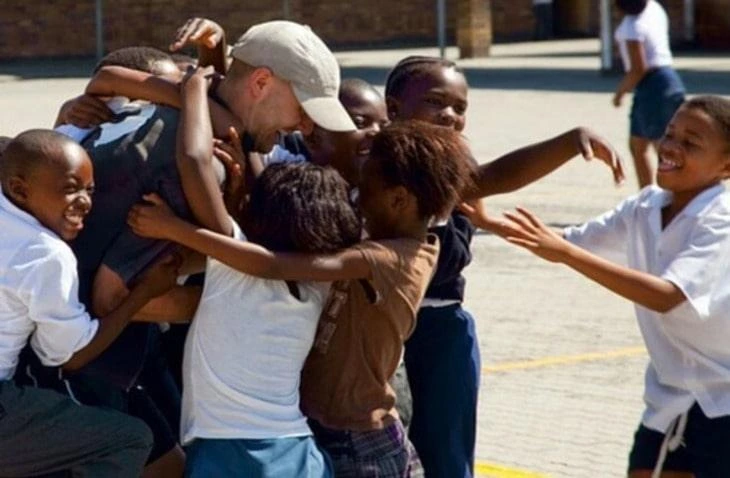
Young South Africans are finding new ways to express Ubuntu.Through community projects, digital activism, cultural events and creative collaborations, many are demonstrating that collective progress is possible without abandoning individuality. Rather than rejecting tradition, younger generations are adapting it to fit modern realities.
Why Ubuntu Matters for Mental Wellbeing
A strong sense of belonging has long been recognised as an important contributor to emotional wellbeing.Feeling connected to family, friends and communities can reduce loneliness, strengthen resilience and encourage people to seek support during challenging times.Ubuntu reminds us that caring for others also means allowing ourselves to be cared for.

Looking Ahead
The world will continue to change rapidly, but the need for compassion, respect and human connection remains constant.Ubuntu is not simply a historical concept. It is a living philosophy that continues to shape how South Africans understand community, leadership and shared responsibility.
In 2026, its relevance may not lie in resisting change but in helping society navigate it with empathy, dignity and a renewed commitment to one another.