
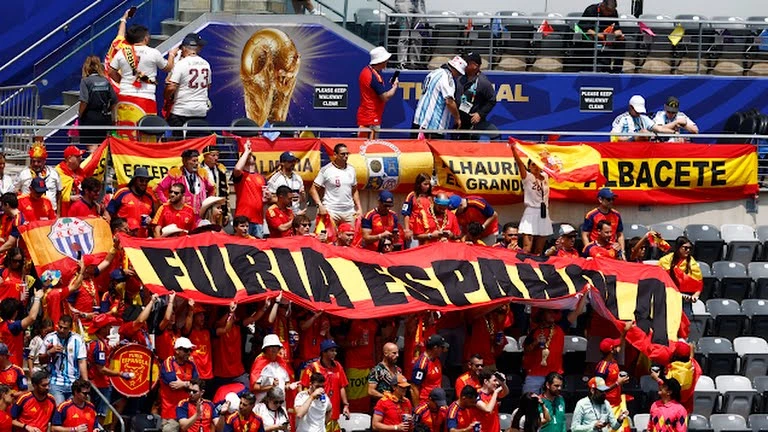
Spain is back on top of world football.
After 120 minutes of relentless intensity, tactical discipline, and drama, Spain defeated Argentina 1-0 after extra time to win the 2026 FIFA World Cup, securing only the second World Cup title in the nation’s history. Ferran Torres’ decisive goal in extra time ended Argentina’s hopes of defending their crown and crowned a new generation of Spanish stars as world champions.
The final, played at New York New Jersey Stadium in front of a packed global audience, was billed as the ultimate clash between two footballing eras. On one side stood Lionel Messi, chasing what could be his final World Cup triumph. On the other hand was teenage sensation Lamine Yamal, leading Spain’s exciting new generation. In the end, youth prevailed over experience.
Spain controlled large portions of the match from the opening whistle. Luis de la Fuente’s side dominated possession, dictated the tempo and repeatedly tested Argentina’s resilient defence. Despite creating the better chances, Spain were frustrated for much of normal time by goalkeeper Emiliano Martínez, who produced a series of outstanding saves to keep the score level.
Argentina, meanwhile, relied on its trademark grit and defensive organisation. The defending champions struggled to create attacking opportunities and spent long spells pinned back by Spain’s relentless pressing. Their task became even harder after Enzo Fernández was sent off late in regulation time, forcing Lionel Scaloni’s men to play the remainder of the contest with ten players.
The breakthrough finally arrived in the 106th minute of extra time. Nico Williams rose brilliantly to meet a cross before directing the ball into the path of Ferran Torres, who calmly finished past Martínez to send the Spanish supporters into celebration. It was the goal that ultimately separated two outstanding teams on football’s biggest stage.
Argentina threw everything forward in the closing minutes, hoping for one final moment of magic from Messi, but Spain’s defence stood firm. After weathering late pressure, the final whistle sparked emotional celebrations as players, coaches, and supporters realised they had reclaimed football’s greatest prize for the first time since 2010.
The victory capped an exceptional tournament for Spain. Along the way, La Roja defeated Portugal, Belgium, and France in the knockout rounds before overcoming Argentina in the final. Their campaign showcased one of the tournament’s most balanced teams, combining defensive solidity with attacking flair and confirming their status as one of the world’s elite football nations.
For Argentina, the defeat marked the end of a remarkable title defence. Having lifted the trophy in Qatar in 2022, they once again reached the final, thanks to inspirational performances throughout the tournament. Although they fell short of consecutive World Cup titles, their run reinforced their place among international football’s modern powerhouses.
Spain’s triumph also symbolises the arrival of a new footballing era. With emerging stars like Lamine Yamal, Nico Williams, Pedri and an experienced supporting cast, La Roja have built a squad capable of dominating international football for years to come. Their tactical intelligence, composure under pressure, and fearless attacking football made them worthy champions of the expanded 48-team FIFA World Cup.
As captain Álvaro Morata lifted the famous trophy into the New Jersey sky, Spain celebrated a historic achievement that will be remembered alongside their golden era of 2008–2012. Sixteen years after Andrés Iniesta’s unforgettable goal in Johannesburg delivered their first World Cup, a new generation has written its own chapter in Spanish football history.