

Repo Rate Rises to 7.25%: What South African Households Need to Know
South African households are once again having to take a closer look at their finances after the South African Reserve Bank raised the repo rate to 7.25%. The 25-basis-point increase means that borrowing is becoming more expensive, with the country’s prime lending rate moving to 10.75%.
For many households, the decision will be felt most clearly in monthly bond repayments, vehicle finance, personal loans and other forms of credit. While a 0.25 percentage-point increase may not sound significant on its own, the additional cost can become noticeable when a household is already dealing with food, fuel, electricity and other rising expenses.
The latest South Africa repo rate increase comes as the Reserve Bank responds to renewed inflationary pressure. Fuel prices and international economic uncertainty have added to concerns about where inflation could head in the coming months, making the latest decision particularly important for consumers who are already watching their spending closely.

Why the repo rate has gone up
The repo rate is the rate at which the South African Reserve Bank lends money to commercial banks, and changes to it eventually influence the interest rates offered to consumers. When the repo rate rises, banks generally increase their lending rates, which means people pay more to borrow money.
The SARB has raised concerns about inflationary pressures linked to higher oil prices and disruptions to global energy markets. South Africa’s headline inflation reached 4.4% in August 2026, while the central bank expects inflation to remain under pressure before gradually moving closer to its 3% target.
That puts the Reserve Bank in a difficult position. Keeping interest rates higher can help contain inflation, but it also places additional pressure on consumers and businesses that rely on credit.
For households, the result is a familiar balancing act. Money that could have gone towards groceries, school expenses, transport or savings may instead have to cover higher debt repayments.
What the 7.25% repo rate means for your household
The most immediate impact will be felt by people with variable-rate debt. Homeowners with bonds linked to the prime lending rate, for example, could see their monthly repayments increase following the latest rate adjustment.
The same applies to certain vehicle finance agreements, personal loans and other credit facilities. The size of the increase will depend on the amount owed, the interest rate attached to the agreement and how much time remains on the loan.
Credit-card users should also pay attention. Carrying a balance from one month to the next can become increasingly expensive when interest rates rise, particularly for households that are already relying on credit to cover everyday expenses.
For someone paying off a home loan, even a relatively small increase can make a difference over time because a bond is usually one of the largest monthly expenses in a household budget. Checking the new repayment amount and adjusting the monthly budget accordingly can help prevent an unexpected shortfall.
The latest increase also needs to be viewed in context. South Africa’s prime lending rate remains below the 11.75% level reached during the previous interest-rate cycle, but the move to 10.75% still means that borrowing remains expensive for many consumers.
It is not all bad news for savers
While borrowers are likely to feel the pressure from the repo rate increase, people who have money in interest-bearing savings accounts or fixed deposits could benefit from higher rates.
The benefit will depend on the account and the financial institution, so consumers should check what interest they are actually earning rather than assuming that every savings product has automatically become more attractive.
For households carrying expensive debt, however, the higher interest earned on savings may not fully offset the additional cost of borrowing. This is why it is important to look at the household’s finances as a whole instead of focusing on one part of the budget.
The latest interest rate increase in South Africa also highlights the importance of having an emergency fund where possible. Unexpected expenses are much harder to manage when a household is already using a large portion of its income to service debt.
What should households do now?
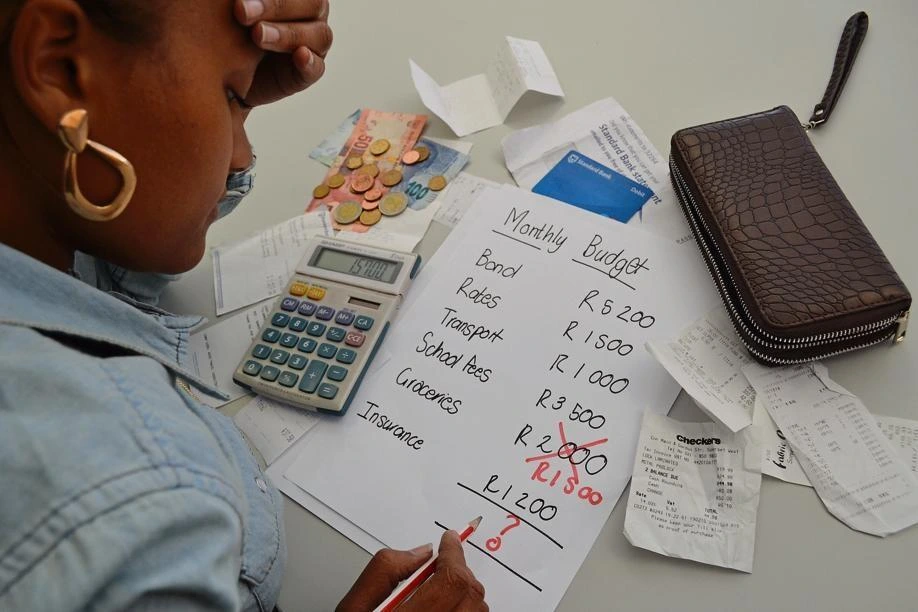
The most practical response is to understand exactly how the latest repo rate hike affects your own finances. Households should check their latest bond, vehicle finance and loan statements and compare the new repayments with what they were paying previously.
It may also be a good time to review subscriptions, unnecessary expenses and high-interest debt. Cutting a few expenses will not solve every financial problem, but it can create some breathing room when monthly repayments increase.
People who have additional money available may also consider putting more towards expensive debt, provided they still have enough emergency savings and can meet their other financial commitments.
Homeowners should speak to their bank or financial adviser before making major changes to their bond, particularly if they are considering refinancing, increasing payments or changing the repayment period. Every household’s financial position is different, and what works for one borrower may not work for another.
The important thing is not to panic. A higher repo rate of 7.25% does not mean every household will experience the same increase in monthly expenses, but it does make careful budgeting more important.
What happens next?
The Reserve Bank’s latest decision does not necessarily tell us where interest rates will remain permanently. Future decisions will depend on inflation, economic growth, fuel prices, the rand and developments in the global economy.
For now, households should prepare for borrowing costs to remain relatively high rather than immediately assuming that another rate cut is around the corner. The SARB has indicated that its decisions will continue to be guided by incoming economic data and the changing risks facing the economy.
For South Africans, the repo rate rising to 7.25% is ultimately about more than a number announced by the Reserve Bank. It can affect how much a family pays towards its home, car or personal loans and how much money remains available at the end of the month.
With the cost of living already placing pressure on household budgets, understanding the impact of the latest South African repo rate increase can help consumers make more informed decisions about borrowing, spending and saving.