
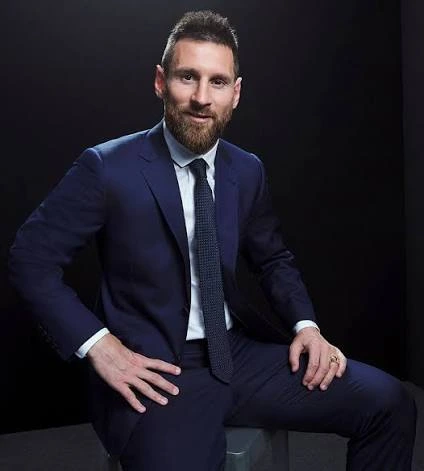
He arrived too small for the game and left too big for it. As Lionel Messi lays down the Argentina shirt, we look back at a career that changed what football could be.
There is a particular silence that falls over a stadium when Lionel Messi gets the ball. It isn’t quite quiet. It’s the sound of thousands of people leaning forward at once.
For two decades, that silence followed him across continents. Barcelona, Paris, Miami, Buenos Aires: the cities changed, the hush did not. Now, with the Argentina shirt folded away, the silence has become something else. It sounds like gratitude.
A Small Boy, A Giant Problem
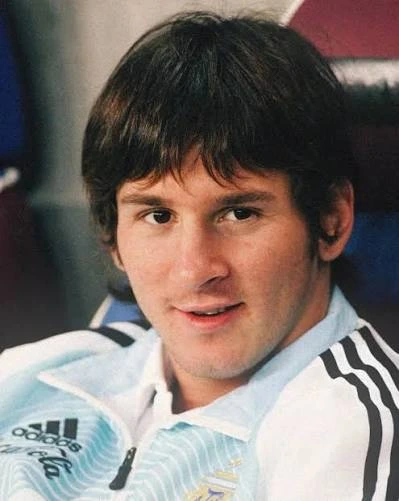
The story starts in Rosario, with a child who was too small.
Messi was diagnosed with a growth hormone deficiency, and the treatment cost more than his family could carry. Club after club admired the left foot and flinched at the bill. Football, for all its romance, can be a cold place for a boy who doesn’t fit the measuring stick.
Then came Barcelona, and a move across the Atlantic at 13. He left behind his country, his streets and his family’s daily presence, carrying nothing but a gift that couldn’t be explained and a stubbornness that couldn’t be broken.
The world told him he was too small. He spent twenty years making the world look up.
The Artist at Camp Nou
What followed wasn’t a career so much as a rewriting of the rules.
At Barcelona, Messi turned the impossible into routine. He slalomed through defences as though they were cones on a training pitch. He scored goals that looked less like football and more like physics being politely ignored. League titles stacked up. Champions League nights became his personal canvas. Eight Ballon d’Or trophies, more than any player in history, followed as a matter of record rather than surprise.
What set him apart wasn’t only the brilliance but the manner of it. No theatrics, no chest-beating, no grand speeches. A quiet man let his feet do the talking, and they had plenty to say.
The Weight of a Nation
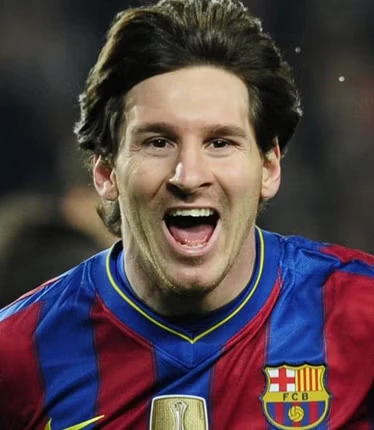
If Barcelona was where Messi was adored, Argentina was where he was tested.
For years, the national shirt felt heavier on him than on anyone. He reached finals and lost them, in a World Cup and in back-to-back Copa Américas. The criticism was relentless and, frankly, unfair. Comparisons to the dead are the cruellest kind. At one point, worn down and heartbroken, he stepped away from the national team altogether, only to return because the pull of that sky-blue-and-white stripe was stronger than the hurt.
And then, the redemption arc no screenwriter would dare to write.
The Copa América at the Maracanã in 2021 gave him his first major senior trophy with Argentina. Then came Qatar 2022, where he lifted the World Cup, Argentina’s first in 36 years. Grown men wept in Buenos Aires streets. The boy from Rosario had carried his country’s dream home.
Some players win trophies. Messi won a country’s belief.
The Numbers, and What They Can’t Say
The record books tell part of the story: 207 appearances and 125 goals for Argentina, the most in the nation’s history. Even in 2026, at 39, he captained his country back onto the sport’s biggest stage, the World Cup final. Argentina fell short against Spain, but he walked out for that final the way he always had, carrying everything he had. thenewdaily
When he announced he was stepping away from the national team, his message was simple and, in its humility, devastating. He had always given his all, he said, leaving everything on the field for the jersey. No one who watched him could disagree.
The Legacy That Doesn’t Fit in a Trophy Cabinet
Here is what the statistics miss.
Messi taught a generation of children, especially the smaller ones, the quieter ones, the ones told they didn’t fit, that greatness has no required shape. He made opposing fans applaud. He made rivals ask for his shirt. He made neutrals fall in love with a sport they’d stopped watching.
He showed us that you can be the best in the world and still be gentle. That you can lose, publicly and painfully, and still rise. That patience can be its own kind of genius.
Gracias Leo
There will be other great players. There always are. But there will not be another who made the impossible look inevitable, who carried so much and complained so little, who gave us so many reasons to lean forward in our seats.
The shirt can rest now. The memories will not.
Thank you, Leo. For all of it.