
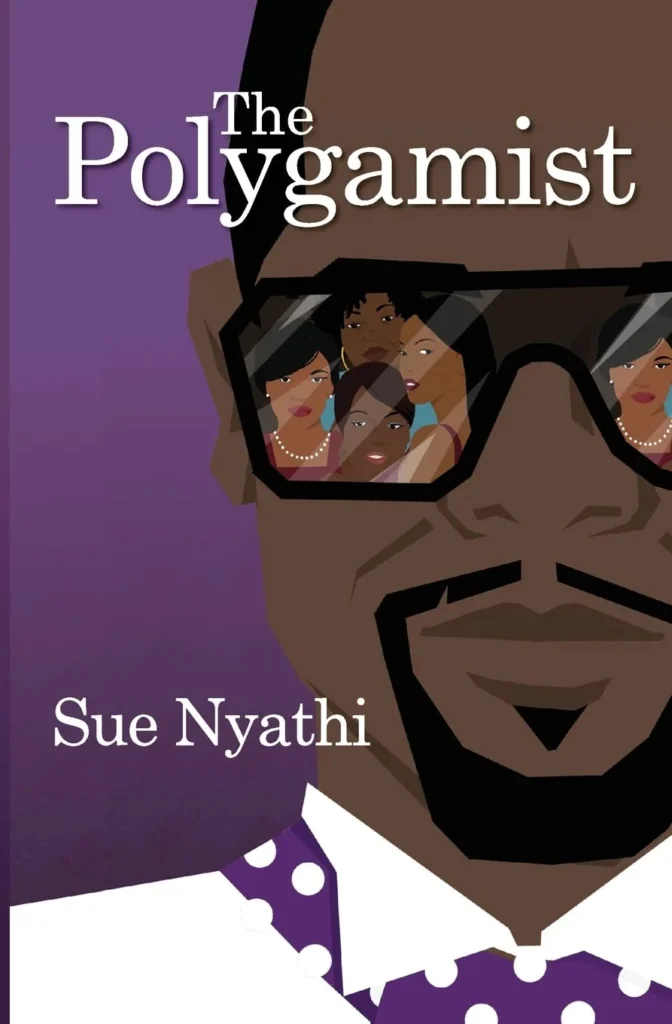
When Betrayal Becomes the Story: The Psychology Behind The Polygamist
Sue Nyathi’s The Polygamist has always been far more than a story about infidelity. It is a thoughtful exploration of betrayal, emotional survival, and the slow rebuilding of a life after trust has been shattered. With Netflix’s 22-episode adaptation, that intimate story has evolved into a sweeping drama. The series examines not only the emotional consequences of betrayal but also the public spectacle surrounding it.
At its heart, both the novella and the series ask the same unsettling question: what happens when the person you trusted most becomes the source of your deepest emotional wound?
The Anatomy of Heartbreak
Nyathi’s novella approaches this question with remarkable sensitivity. Rather than focusing on explosive confrontations, it draws readers into the quiet devastation that follows betrayal. The protagonist’s world does not collapse overnight. Instead, every memory is revisited, every conversation takes on new meaning, and every certainty begins to unravel.
Betrayal is not simply about losing a relationship. It is about completely losing the sense of safety that the relationship once provided.
The novel carefully captures the endless cycle of self-doubt, shame, and rumination that often follows infidelity. It reminds readers that betrayal is not simply about losing a relationship. It is about losing the sense of safety that the relationship once provided.
Healing arrives gradually. Small moments of acceptance replace obsessive questioning, allowing the protagonist to slowly reclaim her identity. The emotional journey feels authentic because it refuses to offer quick resolutions. Instead, Nyathi presents recovery as an ongoing process built on resilience and self-discovery.
From Private Pain to Public Spectacle
Netflix’s adaptation takes those deeply personal emotions and expands them onto a much larger canvas. While the novella remains intimate and introspective, the series explores what happens when private heartbreak becomes public drama. Secrets quickly become community gossip, family conflict unfolds in full view, and social media transforms deeply personal pain into public entertainment.
This broader perspective gives The Polygamist a new dimension. It becomes as much a story about reputation, public perception, and social judgement as it is about betrayal itself. The adaptation reflects a world where private lives are increasingly shaped by online conversations, and where emotional trauma rarely remains behind closed doors.
Jonasi relies on raw charisma to avoid accountability, creating massive emotional confusion among the women whose lives become entangled with his own.
Entitlement and the Power to Heal
Central to the series is Jonasi, whose confidence and charm conceal a pattern of manipulation and deception. His ability to compartmentalise relationships while maintaining an image of respectability presents a striking portrait of narcissistic entitlement. He relies on charisma to avoid accountability, creating emotional confusion among the women whose lives become entangled with his own.
The women, however, are the true emotional anchors of the adaptation. Their responses to betrayal reveal the many ways people process emotional trauma. Some remain emotionally attached despite repeated disappointment. Others gradually recognise the patterns of manipulation and begin rebuilding their lives through courage, self-awareness, and mutual support. Their journeys transform the series into a compelling examination of resilience rather than victimhood.
One of the adaptation’s greatest strengths lies in its willingness to examine how communities respond to betrayal. Friends, relatives, and strangers all become participants in the unfolding drama. This dynamic highlights how quickly society assigns blame, forms opinions, and turns private suffering into public conversation. It is a timely reflection of today’s culture, where personal crises often unfold under the relentless gaze of digital audiences.
Page Versus Screen
Both the novella and the Netflix series deserve praise for placing women’s emotional experiences at the centre of the narrative while challenging traditional ideas of masculinity and power. They encourage meaningful conversations about emotional abuse, manipulation, accountability, and healing.
There are, however, differences in their execution. The novella offers greater psychological depth, allowing readers to inhabit the protagonist’s inner world with extraordinary intimacy. The series, while emotionally gripping and visually compelling, occasionally favours dramatic storytelling over subtle emotional exploration. Yet that heightened drama also serves a purpose, illustrating how quickly personal trauma can become public spectacle.
Viewers and readers should also be aware that both versions contain emotionally intense scenes involving infidelity, manipulation, and betrayal. Those with personal experiences of similar trauma may find certain moments particularly difficult, making self-care and emotional awareness important while engaging with the story.
The Final Verdict
Sue Nyathi’s The Polygamist and the Netflix adaptation ultimately complement one another rather than compete. The novella offers an intimate psychological portrait of betrayal and recovery, inviting readers into the emotional landscape of heartbreak. The series broadens that experience, examining how private pain reverberates through families, communities, and an increasingly connected digital world.
If you are looking for emotional depth and a nuanced understanding of healing, begin with the novella. If you want to explore how betrayal evolves into public drama and why stories like these continue to resonate with audiences around the world, Netflix’s The Polygamist is well worth the watch.
Together, they remind us that betrayal is never just about broken promises. It is about identity, resilience, and the extraordinary strength required to rebuild a life after trust has been lost.