
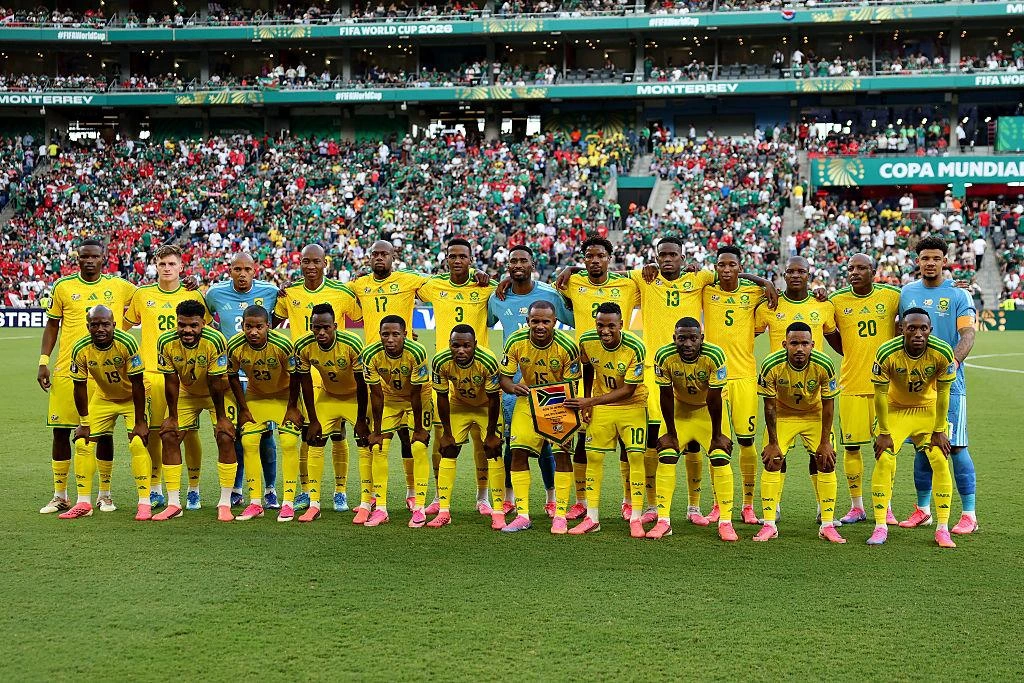
South African football has entered a new chapter. After Bafana Bafana reached the knockout stages of the 2026 FIFA World Cup for the first time in the team’s history, the focus has shifted from what the national team achieved in the United States, Canada and Mexico to what comes next.
The World Cup campaign changed the conversation around Bafana Bafana. South Africa opened the tournament with a 2-0 defeat to Mexico and drew 1-1 with the Czech Republic before producing a crucial 1-0 victory over South Korea to reach the knockout rounds. Their campaign eventually ended with a narrow 1-0 defeat to Canada in the Round of 32.
That run gave South African football a result it had been waiting for since the country hosted the World Cup in 2010. Bafana Bafana had never previously progressed beyond the group stage of the competition, making the 2026 campaign a significant milestone for the national team.
Now, however, comes the more difficult question: can Bafana Bafana turn that World Cup momentum into something lasting?
A new coach, a familiar ambition
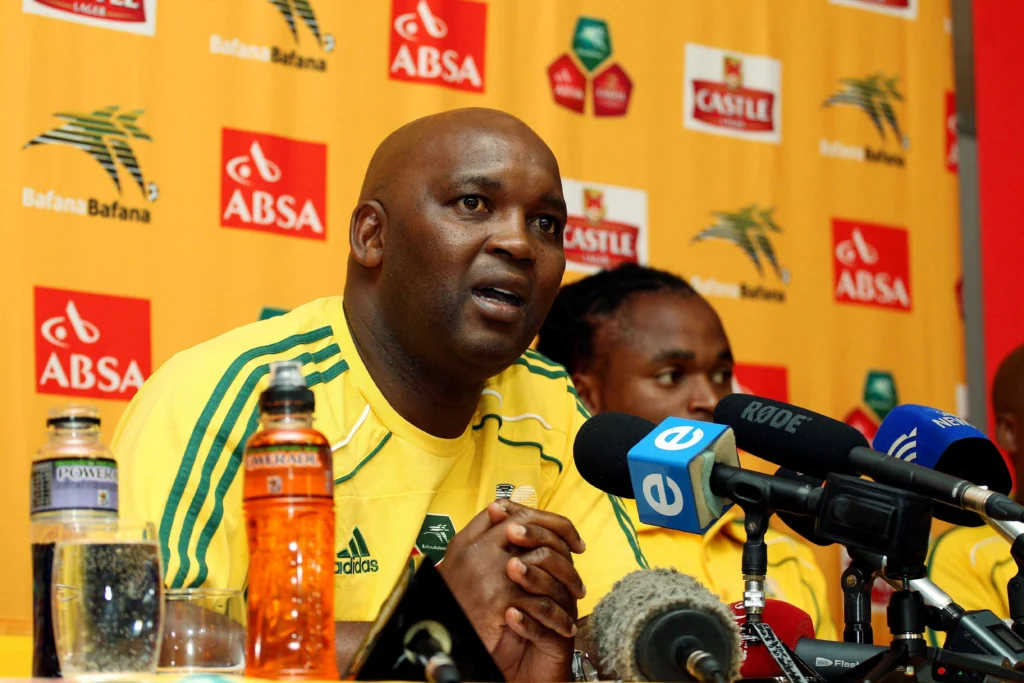
The biggest change is on the touchline. Pitso Mosimane has returned as Bafana Bafana head coach, taking over from Hugo Broos after the Belgian coach guided South Africa to the historic World Cup knockout-stage appearance.
Mosimane’s return brings a different dynamic. He previously coached Bafana Bafana and later built an impressive continental record with Mamelodi Sundowns and Al Ahly, including CAF Champions League titles with both clubs. He has now signed a contract with the national team that runs until 2030.
His appointment also means that the new Bafana Bafana era begins with relatively little time for experimentation. South Africa’s next major challenge is already on the calendar, with AFCON 2027 qualifying matches against Guinea and Eritrea forming part of Mosimane’s immediate workload.
That makes the transition particularly interesting. Mosimane inherits a squad that has just experienced the highest level of international competition, but he also has to decide which elements of the previous era should remain and where changes are needed.
What the World Cup changed
The most important legacy of the 2026 World Cup may not be a single result. It could be the belief that South Africa can compete on the international stage without simply treating qualification as the ultimate objective.
Bafana Bafana’s progress was built around organisation, defensive discipline and the ability to remain competitive against stronger opposition. Their defeat to Canada was particularly revealing. South Africa defended for long periods, absorbed pressure and remained in the contest until Stephen Eustaquio scored in stoppage time.
The tournament also provided valuable experience to a group of players who will now be expected to carry greater responsibility for the national team.
Ronwen Williams remains an important figure, while players such as Thapelo Maseko, Relebohile Mofokeng and other members of the emerging generation have an opportunity to become central figures in the next phase of Bafana Bafana.
For South African football, developing that group will be just as important as the results themselves.
The challenge of keeping the momentum
World Cup momentum can disappear quickly if it is not supported by consistent performances. South Africa therefore faces a different kind of pressure now.
Before the 2026 World Cup, simply returning to football’s biggest tournament was a major achievement. Reaching the knockout rounds has changed those expectations. Supporters have now seen what the national team can accomplish, and future tournaments will inevitably be measured against that breakthrough.
The FIFA men’s ranking also reflects the progress made during this period. South Africa’s last official ranking update in July 2026 placed Bafana Bafana 54th in the world, although FIFA notes that the live ranking remains unofficial until matches are approved as international A matches.
The challenge for Mosimane will be maintaining that upward trajectory while developing a team capable of competing consistently in Africa as well as on the global stage.
From World Cup breakthrough to long-term project
The new Bafana Bafana era should therefore be about more than chasing another memorable tournament.
South Africa needs to use the World Cup experience as part of a longer football project. That means giving younger players opportunities, maintaining a competitive domestic pipeline and making sure players based overseas remain integrated into the national team structure.
The upcoming AFCON 2027 qualifiers provide an immediate measure of that progress. South Africa will face Guinea at home before travelling to Egypt to play Eritrea, with only one other team from the group guaranteed to advance because Kenya automatically qualifies as a co-host.
Those matches may not carry the global attention of the World Cup, but they could be more important to the foundations of the new Bafana Bafana era.
The national team now has something it did not have before the 2026 tournament: proof that it can move beyond the group stage at a World Cup. The next step is turning that achievement into a standard rather than an exception.
For Pitso Mosimane, the task is not simply to recreate what Hugo Broos achieved. It is to take the foundations of that team, introduce his own ideas, and build a Bafana Bafana side capable of competing across multiple tournaments.
South African football has spent years searching for consistency at international level. The World Cup provided a glimpse of what that consistency could look like. The new Bafana Bafana era will determine whether that glimpse becomes a sustained period of progress.